Knowledge Base | March 2026
Speech-to-Text Interpreting Explained: Methods, Technology & Benefits
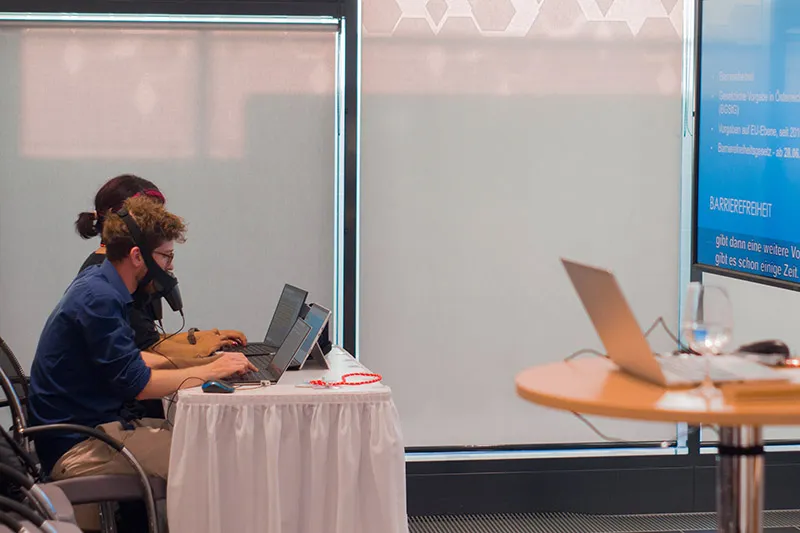
Unlike sign language interpreting—which translates spoken words into visual-gestural language—speech-to-text interpreting (also known internationally as CART: Communication Access Realtime Translation) converts spoken speech into written text in real-time within the same language.
This service is specifically designed for hard-of-hearing individuals, late-deafened adults, cochlear implant users, and anyone who relies on reading written words to participate fully in conversations.
How Professional Speech-to-Text Interpreters Work:
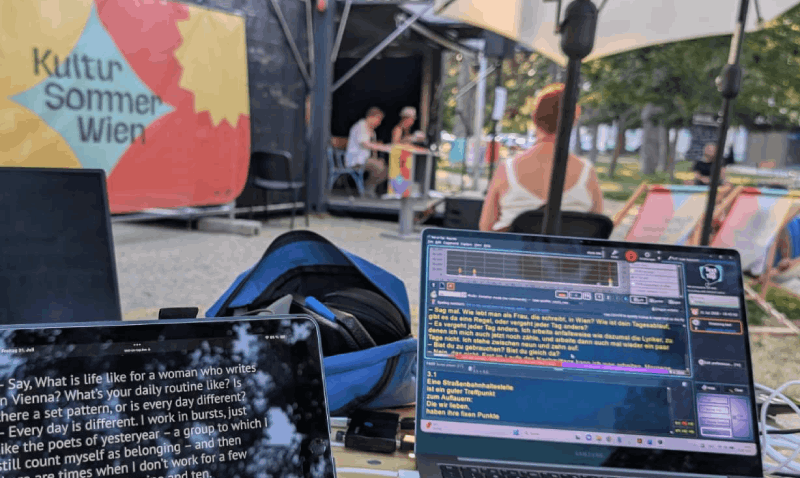
Re-Speaking Method (Speech Recognition): The interpreter listens to speakers and re-speaks the content into a specialized acoustic mask using customized voice models and punctuation macros.
Chording & Computer-Assisted Typing: High-speed keyboard input methods achieving typing speeds of over 300 words per minute.
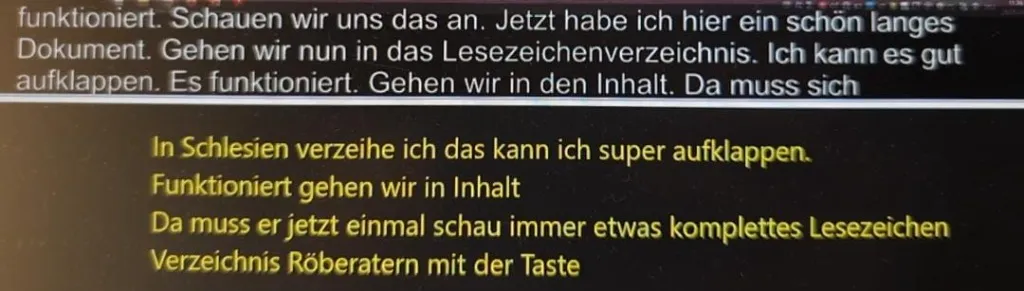
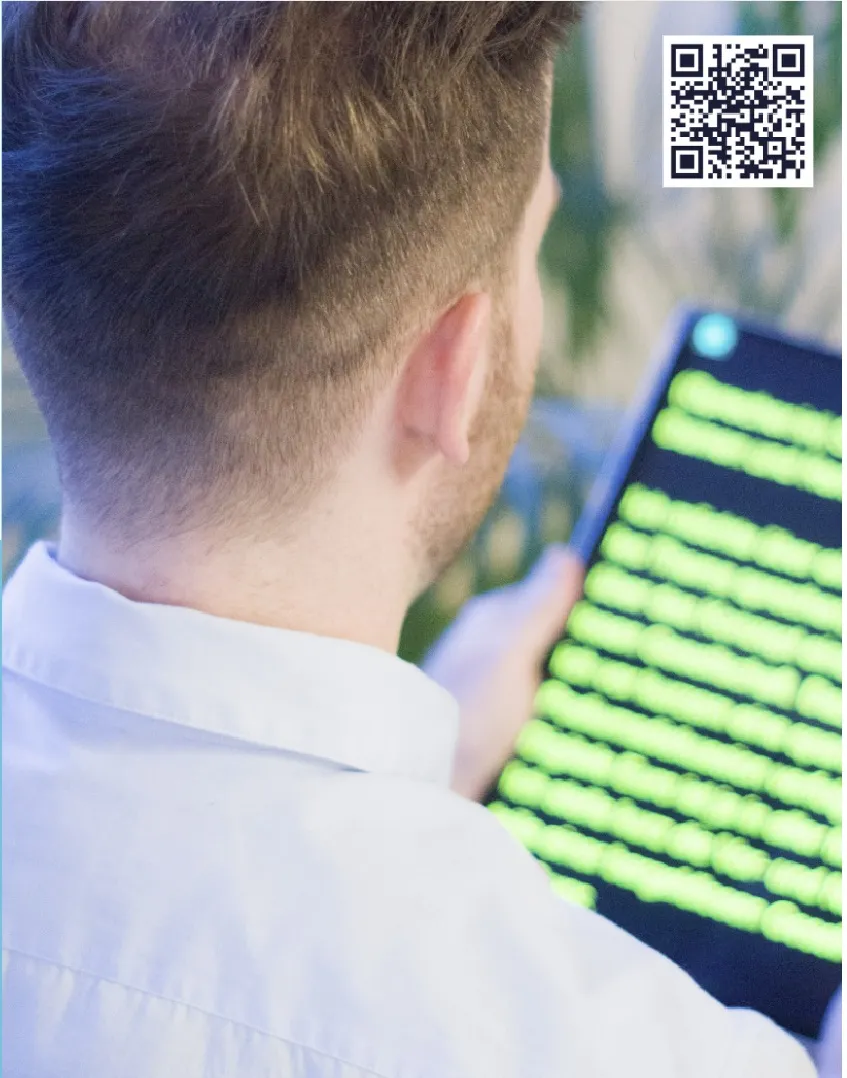
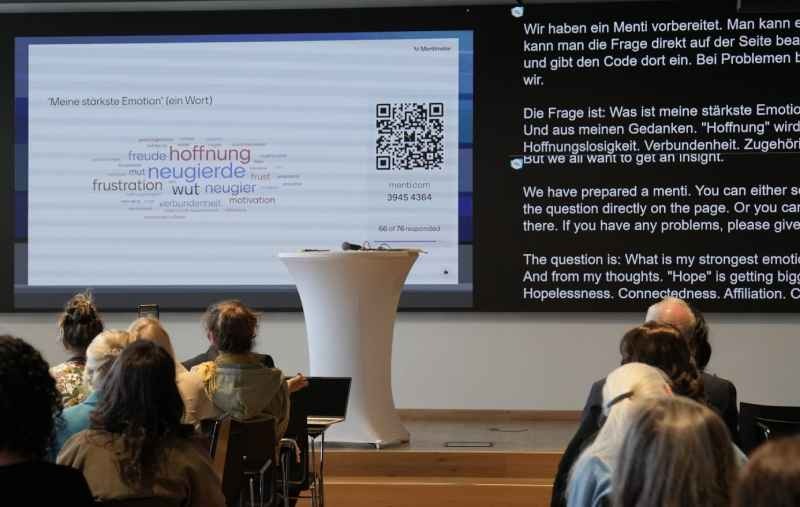
Instant Display: Text appears on screen with a delay of only 1–2 seconds, complete with speaker indicators and acoustic environmental descriptions (e.g., [Applause], [Music]).
Speech-to-text interpreting creates equal opportunities in education, government, healthcare, and business.
Accessible Communication & Live Captions for Your Event
Explore our core services in Speech-to-Text Interpreting, Live Subtitles, Live AI Translation, and Accessible Events.
Recent News